Contact
 |
 |
Krasnokazarmennaya 13, Е-420, Moscow, 111250, Russia |
 |
+7 495 362-78-58
|
 |
tikhonovai@mpei.ru
|
| |
|
The department was founded in 1932.
The
Department of Physics and Technology of Electrical Materials and Components
educates specialists and researchers in the field of electrical materials
science, electronic materials, electrical insulation and cable technology.
Graduates
of the department successfully work in the electrotechnical industry, power
engineering, research and production organizations and firms. Among them
Vladimir I. Shimko - Minister of Radio Engineering Industry of the USSR,
Anatoly F. Trutko - Director of Research Institute "Pulsar", V.G.
Ogonykov - Director of VNIIEIM (All-Union Scientific Research Institute of
Electrical Insulation Materials), I.B. Peshkov - Director of VNIIKP
(All-Russian Scientific and Research Design and Technological Institute of
Cable Industry), Ivan A. Scherbakov - Director of IOF RAS (Prokhorov Institute
of General Physics, Russian Academy of Sciences), academician of Russian
Academy of Sciences and many others.
Summary
The
department was founded in 1931, when the Department of Electrical Materials
Science headed by Professor E.F. Komarkov was created. In 1939 the department
of Cable Technology headed by Professor S.M. Bragin was formed. In 1952, on the
basis of these departments the Department of Electrical Materials and Cables,
headed by Professor N.G. Drozdov was created. In 1992 the department received
the current name Physics of Electrical Materials and Components.
Traditionally,
the scientific activities of the department are related to the development and
research of electrical and electronic engineering materials, the design and
development of electrical insulation, cables, wires, semiconductor materials
and elements, including:
- composite radio absorbing materials and coatings;
- new electrotechnical materials;
- nanomaterials for various applications;
- optimization of cable constructions and
production technologies, including optical cables;
- web-applications and electronic textbooks for
blended and distance education.
Recent
projects
Development
and research of composite materials.
Study
of electrical, thermal and mechanical properties of insulating materials.
Investigation of electro-physical processes occurring in oil emulsions.
Features
A
special feature of the department is its focus on solving material science
problems in power engineering and electrical engineering. Along with
engineering training, graduates of the department gain knowledge and skills in
solid state physics, chemistry and technology of electrotechnical materials and
products.
Unique equipment
The
department uses state-of-the-art equipment for research and testing of
electrical materials and products, including:
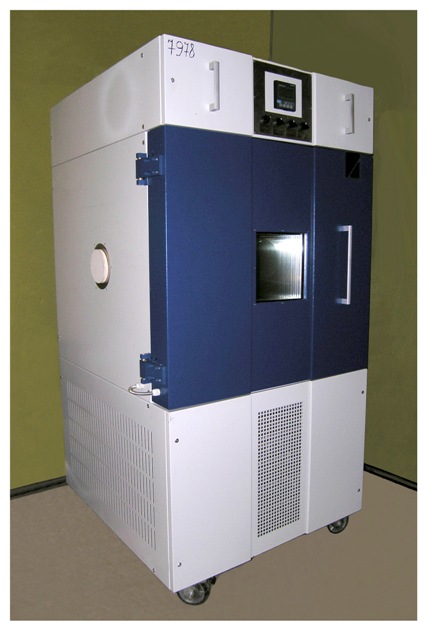
- climatic chamber heat-cold-moisture UP-340TXV for
testing products of electrical insulation, cable and capacitor technology;
- planetary mill Pulverisette 5, Fritsch for
grinding and mixing of solid powdery materials;
- Binder FD 53 forced-air drying cabinet for drying
electrotechnical materials after different technological modes;
- table scanning electron microscope SemTrac mini
for microanalysis of materials, examination of dispersity of powders, the shape
of particles;
- EDX Spectrometer Quantax 100+ for Table Top SEM;
- ElmaSonic S60 H5.5 l ultrasonic washer for both
removing complex contaminants from test samples and preparing samples for testing;
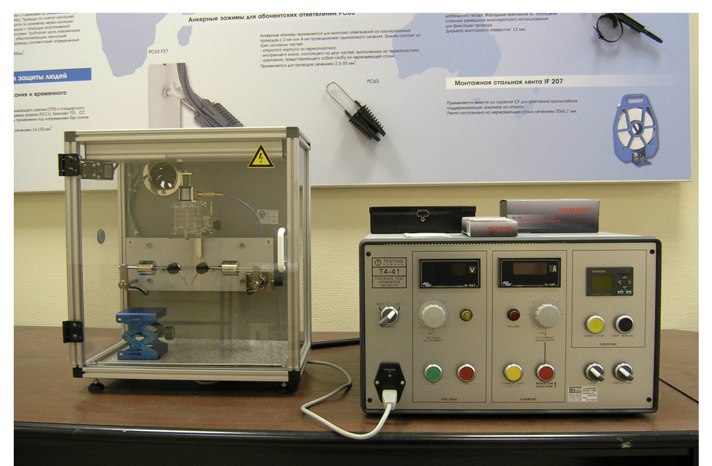
- Tracking test apparatus 600V T4-41 for measuring
the resistance of electrical products to electric fields in various climatic
conditions;
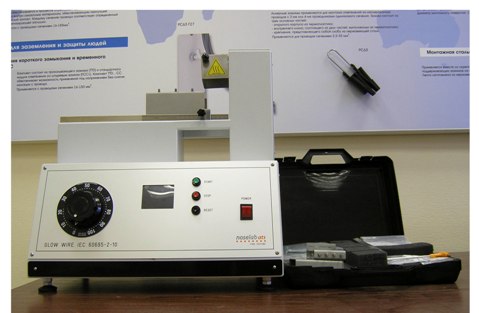
- GLOW WIRE apparatus for determining the
resistance of electrical insulating materials to high temperatures;
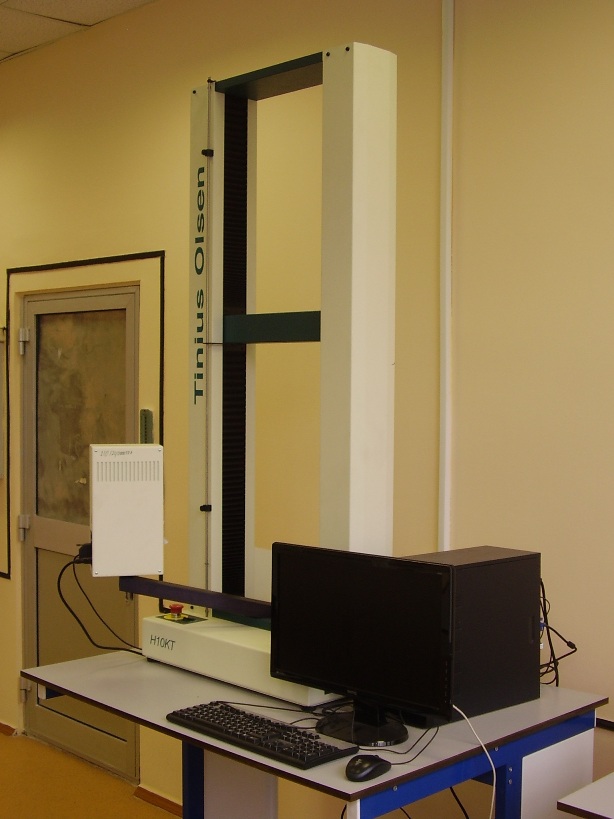
- tensile testing machine Н10К-Т for testing of
metals and polymer materials;
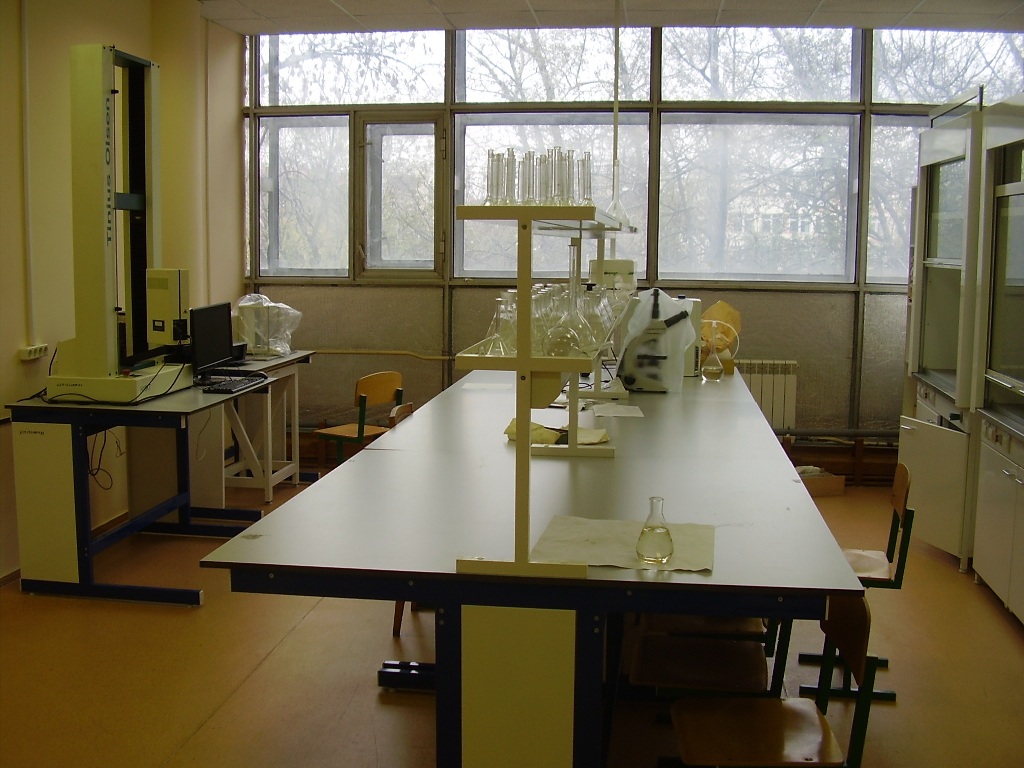
- set of general laboratory equipment for the
laboratory practical work on the chemistry of polymeric insulating materials;
- PG330 AENEA device for testing the resistance of
electrical insulating materials to high voltage electric arc;
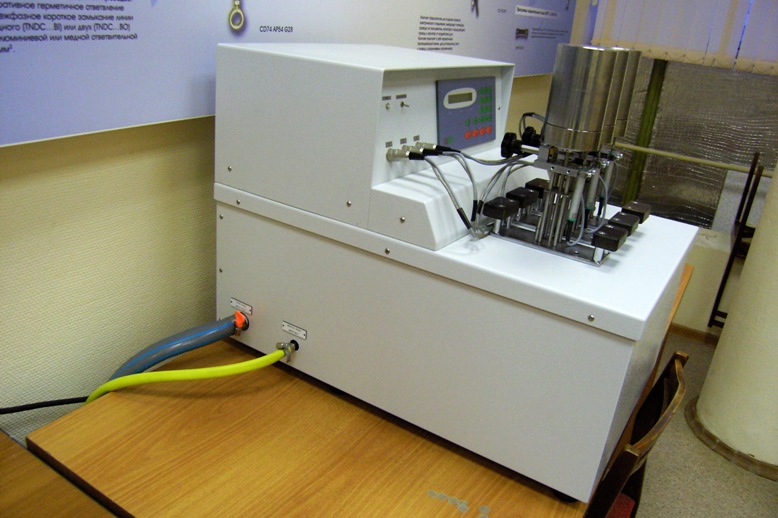
- instrument for determining the Vicat softening
point (VST) and strain heat resistance (HDT);
- DTC-300 thermal conductivity meter for studying
thermal physical properties of various materials.
In
addition, the department has:
- equipment for synthesis of high-temperature oxide
compounds by optical zone melting;
- equipment for thermographic and
microcalorrhythmic analysis.
The
department has laboratories for the educational courses "Electrical
Materials Science", "Materials of Electronic Technology",
"Radio Materials and Radio Components", "Semiconductor Devices
and Components" and others.
Laboratory of Chemistry of Insulation
Materials
|
 |
Climatic chamber
|
 |
Tensile testing machine
|
 |
Vicat softening temperature (VST) and deformation
heat resistance (HDT) meter
|
 |
High Voltage Arc Resistance Test Instrument "PG-330"
|
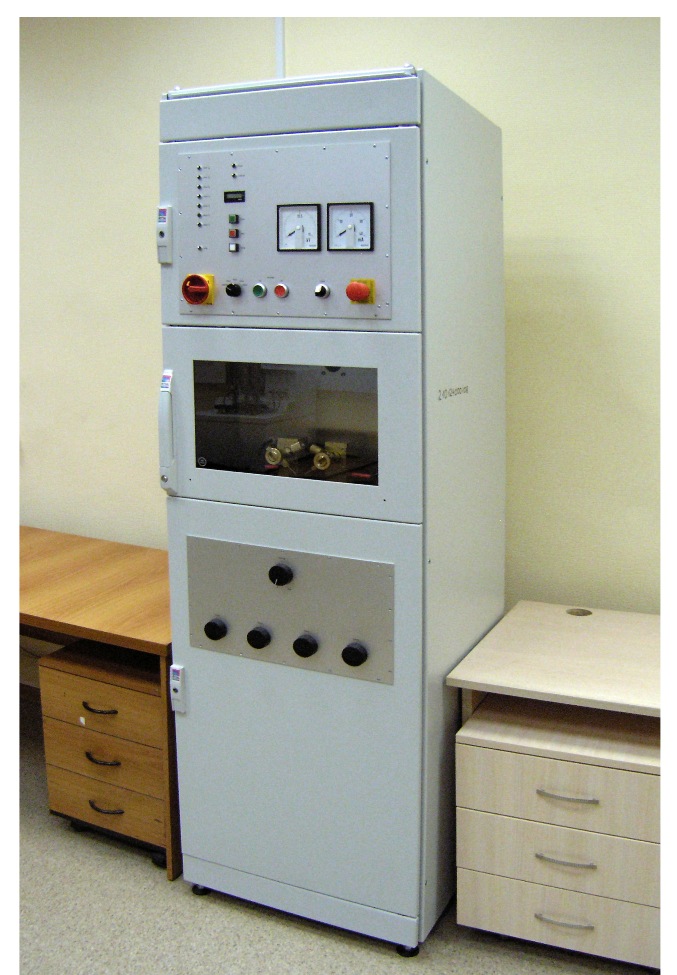 |
Tracking
Index test apparatus 600V T4-41
|
 |
GLOW
WIRE hot wire resistance meter
|
 |
Computerized test benches for studying the characteristics of semiconductor devices (Hall effect, optoelectronic devices)
|
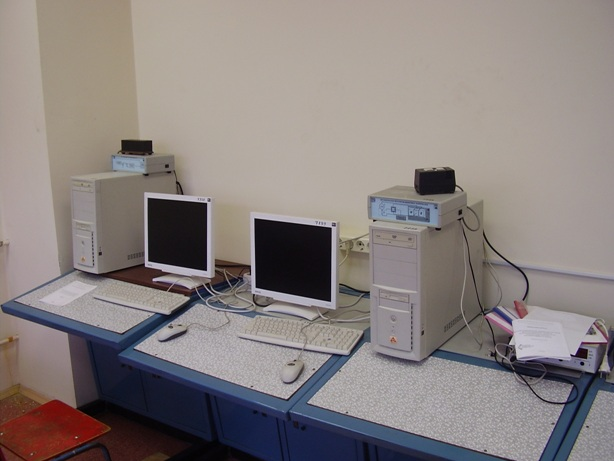
|
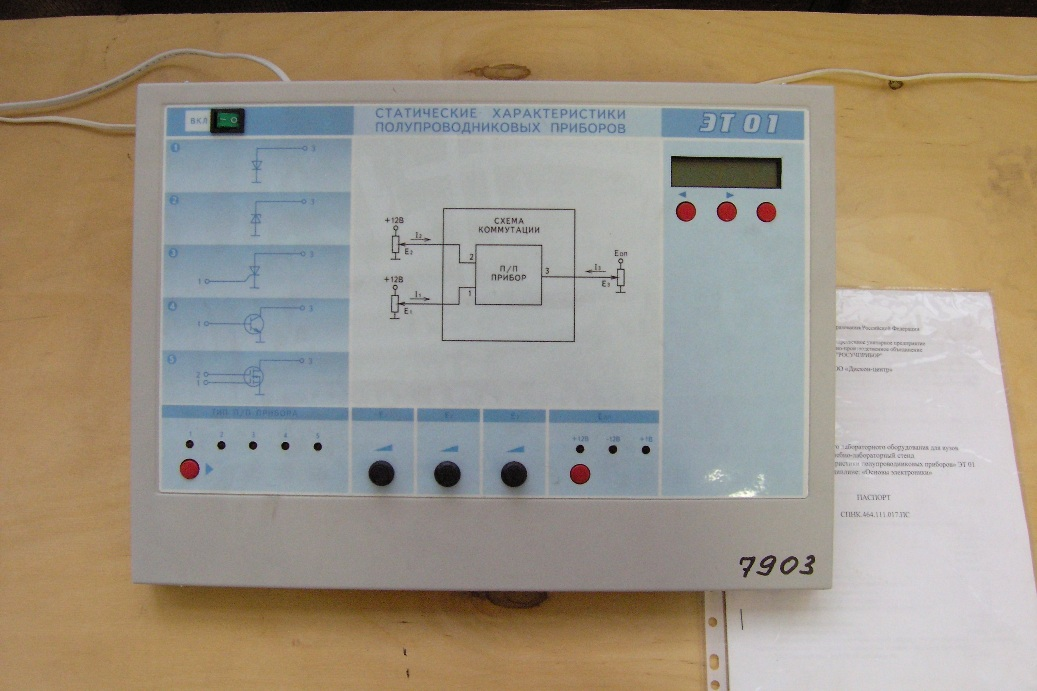
Bench for measuring static characteristics of semiconductor devices
|
|
Educational
programs
Bachelor
11.03.04
Electronics and nanoelectronics. Nanotechnology in Electronics
13.03.02
Electric power engineering and electrical engineering. Electrical Insulation,
Cable and Capacitor Engineering
Master
11.04.04
Electronics and nanoelectronics. Semiconductor materials and structures
13.04.02
Electric power engineering and electrical engineering. Electrical Materials,
Physics and Techniques of Electric Insulation, Cables and Electric Capacitor
Engineering
PhD
1.9 1.3.11 Semiconductor physics
1.13 2.4.1 Theoretical and applied electrical engineering. Electrical materials and
products